

-
Faculty of Arts and HumanitiesJakobi 2, r 116-121, 51005 Tartu linn, Tartu linn, TartumaaJakobi 2, 51005 Tartu linn, Tartu linn, TartumaaJakobi 2, IV korrus, 51005 Tartu linn, Tartu linn, TartumaaJakobi 2, III korrus, ruumid 302-337, 51005 Tartu linn, Tartu linn, TartumaaÜlikooli 16, 51003 Tartu linn, Tartu linn, TartumaaÜlikooli 18, 50090 Tartu linn, Tartu linn, TartumaaLossi 3, 51003 Tartu linn, Tartu linn, TartumaaPosti 1, 71004 Viljandi linn, ViljandimaaJakobi 2, 51005 Tartu linn, Tartu linn, TartumaaJakobi 2, 51005 Tartu linn, Tartu linn, TartumaaFaculty of Social SciencesLossi 36, 51003 Tartu linn, Tartu linn, TartumaaJakobi 5, 51005 Tartu linn, Tartu linn, TartumaaLossi 36, ruum 301, 51003 Tartu linn, Tartu linn, TartumaaNarva mnt 18, 51009 Tartu linn, Tartu linn, TartumaaNäituse 2, 50409 Tartu linn, Tartu linn, TartumaaNäituse 20 - 118, 50409 Tartu linn, Tartu linn, TartumaaLossi 36, 51003 Tartu linn, Tartu linn, TartumaaRaekoja plats 2, 20307 Narva linn, Ida-VirumaaLossi 36, 51003 Tartu linn, Tartu linn, TartumaaLossi 36, 51003 Tartu linn, Tartu linn, TartumaaFaculty of MedicineRavila 19, 50411 Tartu linn, Tartu linn, TartumaaBiomeedikum, Ravila 19, 50411 Tartu linn, Tartu linn, TartumaaNooruse 1, 50411 Tartu linn, Tartu linn, TartumaaL. Puusepa 1a, 50406 Tartu linn, Tartu linn, TartumaaL. Puusepa 8, 50406 Tartu linn, Tartu linn, TartumaaRavila 19, 50411 Tartu linn, Tartu linn, TartumaaUjula 4, 51008 Tartu linn, Tartu linn, TartumaaRavila, 50411 Tartu linn, Tartu linn, TartumaaRavila 19, 50411 Tartu linn, Tartu linn, TartumaaFaculty of Science and TechnologyVanemuise 46 - 208, 51003 Tartu linn, Tartu linn, TartumaaNarva mnt 18, 51009 Tartu linn, Tartu linn, TartumaaRavila 14a, 50411 Tartu linn, Tartu linn, TartumaaNarva mnt 18, 51009 Tartu linn, Tartu linn, TartumaaRiia 23, 23b - 134, 51010 Tartu linn, Tartu linn, TartumaaNooruse 1, 50411 Tartu linn, Tartu linn, TartumaaJ. Liivi tn 2, 50409 Tartu linn, Tartu linn, TartumaaRiia 23b/2, 51010 Tartu linn, Tartu linn, TartumaaVanemuise 46, 51003 Tartu linn, Tartu linn, TartumaaVanemuise 46, 51003 Tartu linn, Tartu linn, TartumaaArea of RectorArea of Vice Rector for Academic AffairsUppsala 10, 51003 Tartu linn, Tartu linn, TartumaaÜlikooli 18b, 51005 Tartu linn, Tartu linn, TartumaaÜlikooli 18a (III korrus), 51005 Tartu linn, Tartu linn, TartumaaArea of Vice Rector for ResearchW. Struve 1, 50091 Tartu linn, Tartu linn, TartumaaArea of Director of AdministrationÜlikooli 18, ruumid 102, 104, 209, 210, 50090 Tartu linn, Tartu linn, TartumaaÜlikooli 18A (III korrus), 51005 Tartu linn, Tartu linn, TartumaaArea of Head of FinanceÜlikooli 17, 51005 Tartu linn, Tartu linn, TartumaaArea of Vice Rector for DevelopmentLossi 25, 51003 Tartu linn, Tartu linn, TartumaaVanemuise 46, 51003 Tartu linn, Tartu linn, TartumaaNarva mnt 18, 51009 Tartu linn, Tartu linn, TartumaaArea of Academic SecretaryUppsala 6, Lossi 36, 51003 Tartu linn, Tartu linn, Tartumaa
On Thursday, 5 November, from 21.45 to 22.45, the university website will be undergoing maintenance. You may experience disruptions to the site during this time. We apologise for any inconvenience.
Topic: research
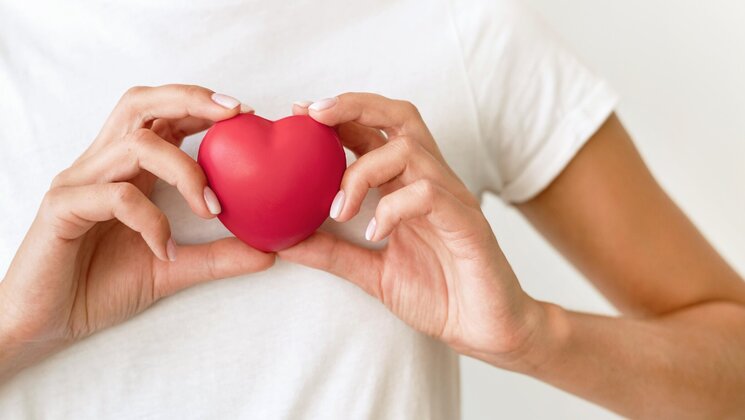
A world-first genetic study on heart disease prevention kicks off in Estonia
Starting today, 25 March, the Estonian Biobank will invite selected gene donors to participate in an extensive heart health research study.

AS Medisoft and the University of Tartu are simplifying the work of general physicians
AS Medisoft, in collaboration with the Institute of Computer Science and AIRE, is testing the use of large language models to automate the documentation of general physician's (GP) visits.

The importance of hydrogen technology in renewable energy and the commercialisation of science
In the Institute of Chemistry’s podcast “Future Energy – The Future of Energy”, hosts Karl-Ander Kasuk and Ove Oll discussed hydrogen technology with Silver Sepp, co-founder of H2Electro.
31 March 2025
research

Doctoral defence: Yan Zhao "Unravelling the mechanisms of chromosomal instability during early embryogenesis"
On 5 March at 16:00 Yan Zhao will defend her doctoral thesis for obtaining the degree of Doctor of Gene Technology.

Indrek Seire and Jaan Vihalemm ranked among top five in “Science in 3 Minutes” competition
Indrek Seire and Jaan Vihalemm ranked in top five on 19 February in the final competition of “Science in 3 Minutes” organised by the Estonian Academy of Sciences.

University of Tartu research award for 2024 went to Centre for Climate Research for discovery about anthropogenic air pollution
The University of Tartu research award 2024 went to an extraordinary discovery that in industrial hot spots, anthropogenic air pollution causes snowfall and reduces cloud cover.
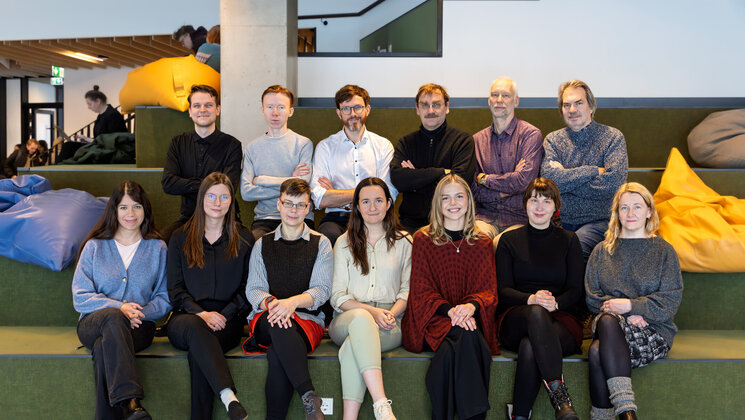
University of Tartu language award for 2024 is given for contribution to preserving and developing Finno-Ugric languages
The University of Tartu language award 2024 is given for contribution to preserving and developing Finno-Ugric languages through creating a digital translation engine.

Laser demonstration on JET detects fusion fuels
Scientists at the Plasma Physics Laboratory of the University of Tartu, in collaboration with partners from eight countries, have successfully used lasers to measure the fuel levels in the walls of the world's only deuterium-tritium-fuelled tokamak reactor, the Joint European Torus (JET).

Guidelines for interdisciplinary and transdisciplinary research have been published
Led by the Dean’s Office of the Faculty of Social Sciences and the Centre for Sustainable Development of the University of Tartu, a guidance material has been developed for researchers on how to conduct interdisciplinary and transdisciplinary research.

Thousands of European citizen scientists helped identify shifts in the floral traits of insect-pollinated plants
The results of cowslip observations carried out in over 5,200 locations shed light on the well-being of insect-pollinated plants under changing climate and land use conditions.
